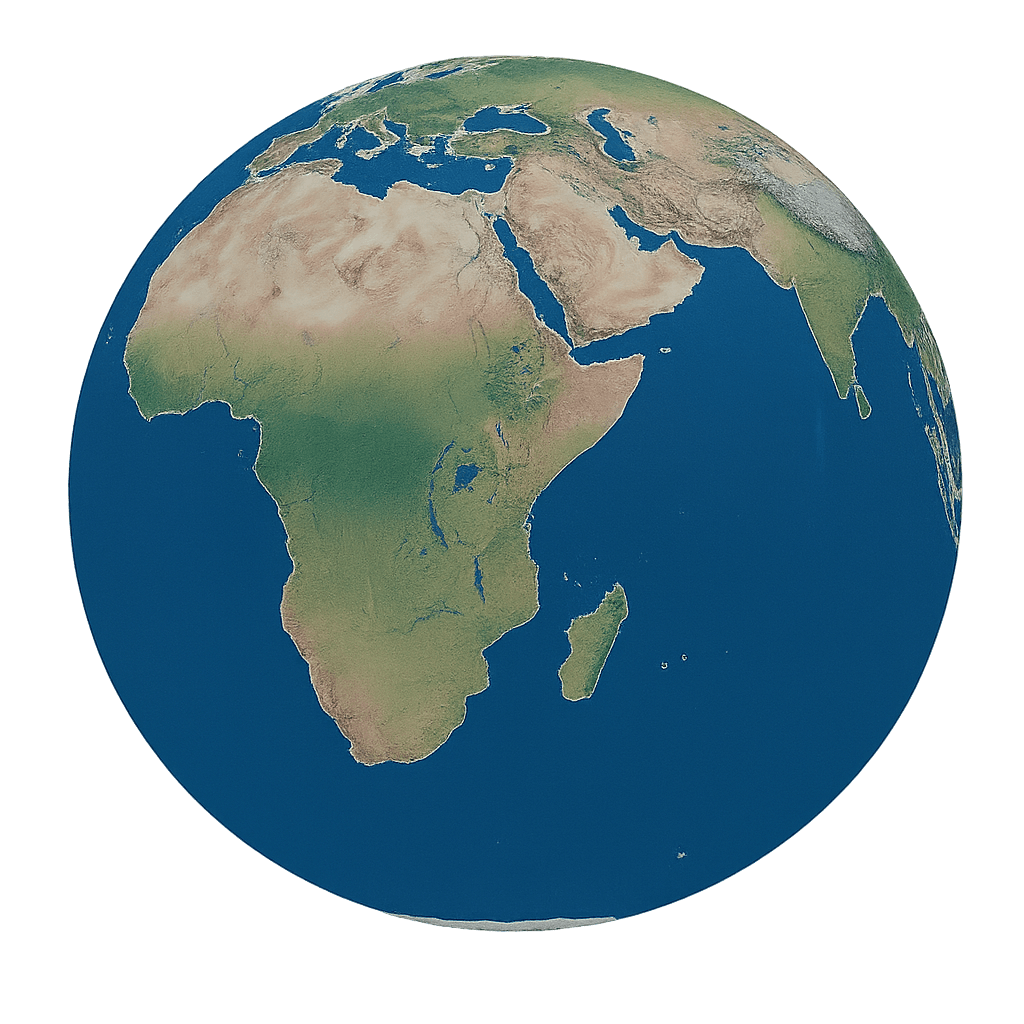

Event showcases importance of standards convergence in boosting Africa's export potential
The event, Beyond Tariffs: how standards and regulations shape agribusiness competitiveness, has brought together around 100 policymakers, regulators, standard-setting bodies, agribusinesses, international organizations and development partners from East and Southern Africa to focus on the standards and technical regulations shaping agricultural trade competitiveness.
It also showcases practical tools offered by the WTO and partner organizations, including the ePing SPS & TBT Platform, the Standards and Trade Development Facility (STDF), the Global Trade Helpdesk and Standards Map, to assist regional farmers and businesses in navigating the sometimes complex world of standards.
In opening remarks delivered by video to the event, Director-General Ngozi Okonjo-Iweala said while tariffs have returned to prominence in global trade, "in many cases, probably most cases, it is standards and regulations that determine, even more than tariffs, what reaches consumers and what does not."
"Health and safety standards. Technical regulations. Certification and quality assurance. These elements increasingly decide who gets to compete and who is left behind. And for many micro, small and medium-sized enterprises in developing countries, meeting evolving requirements can be the difference between export success and losing a market overnight," she said.
In his keynote address, Cabinet Secretary Lee Kinyanjui from Kenya's Ministry of Investments, Trade and Industry said: "We must treat standards and technical measures not as obstacles but as strategic tools for competitiveness, value addition and market expansion. As a region, therefore, our task is to harmonize these measures, strengthen our trade capacity and ensure that our producers, especially SMEs, are equipped to meet them."
"Ensuring that our farmers, exporters and regulators are able to anticipate and adapt to new requirements is essential for safeguarding market access and strengthening our integration into global value chains," the Cabinet Secretary continued. "This is why the work being done by the organizations represented here today is so important."
The event saw the launch of a new STDF funded project in Kenya, Namibia, South Africa, Tanzania and Uganda to expand use of ePing, with technology upgrades and targeted capacity building to help public and private sector users better monitor, understand and respond to regulatory changes affecting trade.
"The project advances the commitment WTO members made at our 13th Ministerial Conference to support WTO members most affected by regulatory challenges," the Director-General noted in her remarks.
The Director-General underlined that Africa "has what the world wants: arable land, sustainable products, driven by a youthful and dynamic workforce."
"Our job, together, is to ensure that Africa's exporters can meet standards anywhere in the world, and also to shape those standards as leaders in global markets."
A leaders panel on the opening day brought together voices from government, business, finance and international development partners to explore how standards and regulations influence agribusiness competitiveness and trade.
One of the event sessions allowed participants to explore how standards and regulatory frameworks are shaped and applied across Africa and globally, and its impact on agribusiness competitiveness. The interaction between international and regional standards, the evolution of requirements under the African Continental Free Trade Area (AfCFTA) Agreement as well as regional economic communities in Africa, and how producers and exporters can meet the challenges of regulatory compliance and compete effectively were some of the issues addressed in the discussions.
A panel discussion also brought together producers, exporters and experts from East Africa's key agricultural sectors, including horticulture, coffee, tea, livestock and fisheries, to explore how regulations and standards, including sanitary and phytosanitary (SPS) requirements and technical measures, shape trade in practice.
The event was co-organized by the Gates Foundation and the World Trade Organization (WTO) Secretariat, in collaboration with the Government of Kenya, the STDF and the International Trade Centre.
Legal Disclaimer:
EIN Presswire provides this news content "as is" without warranty of any kind. We do not accept any responsibility or liability for the accuracy, content, images, videos, licenses, completeness, legality, or reliability of the information contained in this article. If you have any complaints or copyright issues related to this article, kindly contact the author above.
